
Focus area · Metabolic Wellness

Supporting everyday metabolic wellness

How the liver supports metabolism and energy, and how Livarix is designed to fit a healthy routine of balanced meals, activity and sleep.

Illustrated beet root, alfalfa sprig and ginger on a soft lavender-green background

Your liver is a metabolic hub. After meals it helps store energy as glycogen and releases glucose when you need it between meals. It also processes fats and makes many of the proteins your body depends on. When people talk about "metabolic health," the liver is always part of the story.

How Livarix fits in

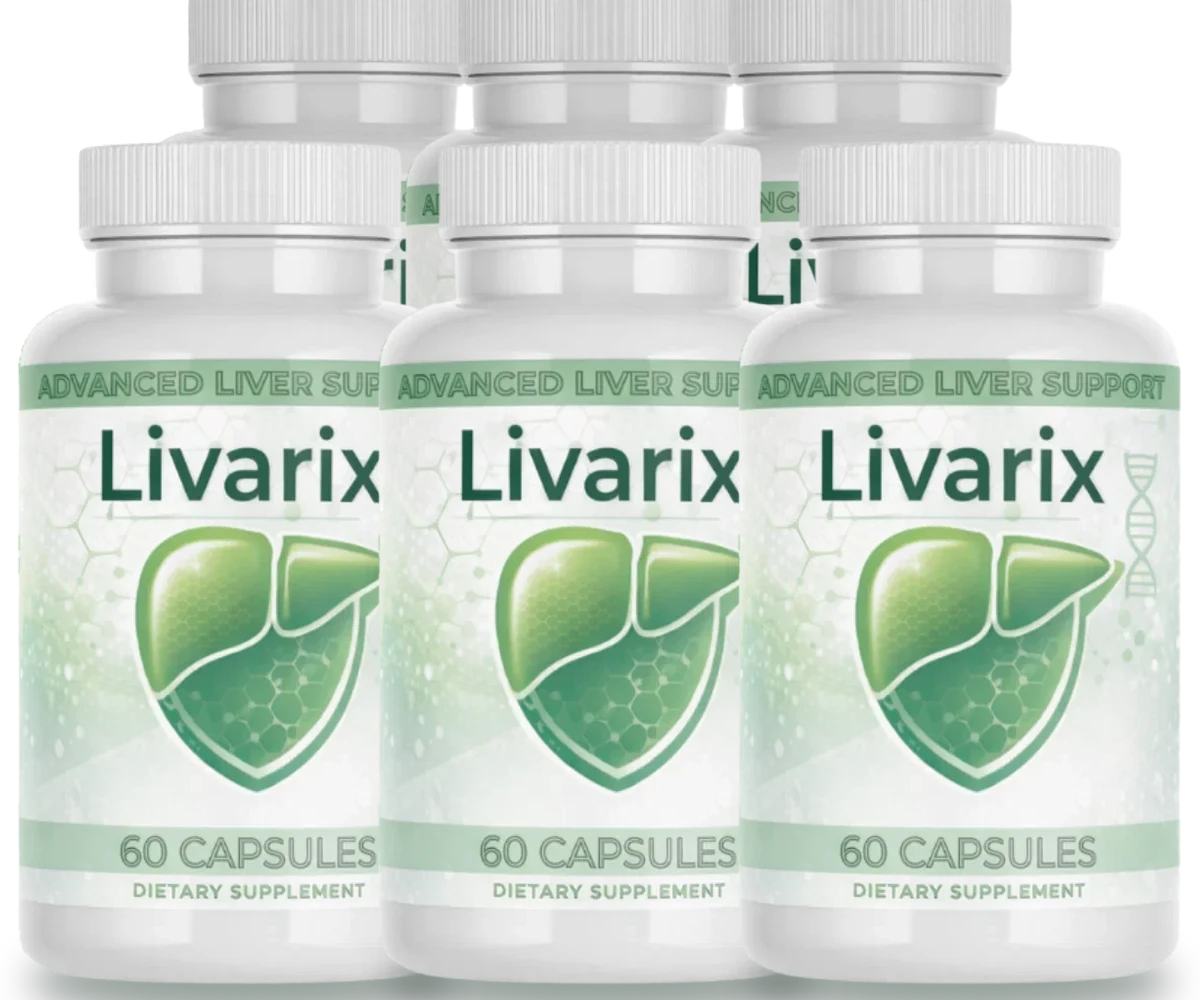
The maker positions Livarix to support healthy metabolism as part of a balanced lifestyle. The formula's plant ingredients, including beet root, ginger, turmeric and alfalfa, add nutritive and botanical support to a daily routine. Livarix is not a weight-loss product, and the seller makes no weight-loss guarantee. Be wary of anyone who promises one.

If you take diabetes medication: some botanicals may affect blood sugar. Talk with your doctor or pharmacist before adding any new supplement.

Habits that matter most

  • Build meals around vegetables, whole grains, legumes and lean protein
  • Limit sugary drinks and ultra-processed snacks
  • Aim for regular movement you enjoy, plus some strength work
  • Protect your sleep and manage stress
  • Keep up with routine checkups, including any liver tests your doctor recommends

*These statements have not been evaluated by the Food and Drug Administration. This product is not intended to diagnose, treat, cure or prevent any disease.
Related focus areas

Evidence & safety

Scientific References & Ingredient Research

Explore government health resources and published research related to the ingredients and topics discussed on this website.

NIH · National Center for Complementary and Integrative Health (NCCIH)

Turmeric

NIH fact sheet on what is and isn't known about turmeric and curcumin. Early research on liver measures exists, but the evidence isn't conclusive. It also covers safety, including liver concerns linked to highly bioavailable curcumin products.

TurmericUS Government Health ResourceView Official Research →
NIH · National Center for Complementary and Integrative Health (NCCIH)

Milk Thistle

NIH overview of milk thistle research. It concludes the evidence is not strong enough for firm conclusions and that liver study results have been mixed.

Milk ThistleUS Government Health ResourceView Official Research →
NIDDK · LiverTox (NCBI Bookshelf, National Library of Medicine)

Milk Thistle

Clinical reference on supplement-related liver injury. Milk thistle has not been linked to clinically apparent liver injury, while its benefit in liver disease remains unproven.

Milk ThistleGovernment Scientific PublicationView Official Research →
NIH · National Center for Complementary and Integrative Health (NCCIH)

Dandelion

NIH fact sheet noting that research on dandelion in people is limited. Dandelion in food amounts is considered likely safe, but less is known about larger amounts.

Dandelion (leaf)US Government Health ResourceView Official Research →
NIH · National Center for Complementary and Integrative Health (NCCIH)

Ginger

NIH summary of studies on ginger and its safety, including possible side effects such as abdominal discomfort and heartburn.

Ginger (root)US Government Health ResourceView Official Research →
PubMed · National Library of Medicine (NIH research database)

Pharmacological Studies of Artichoke Leaf Extract and Their Health Benefits

A 2015 review (Plant Foods for Human Nutrition) of artichoke leaf extract research, including antioxidant and bile-related findings. Much of the evidence comes from lab and animal studies, and human evidence is still limited.

Artichoke ExtractPeer-Reviewed ResearchView Official Research →
PubMed · National Library of Medicine (NIH research database)

The benefits and risks of beetroot juice consumption: a systematic review

A 2021 systematic review (Critical Reviews in Food Science and Nutrition) of nitrate-rich beetroot juice. It studies juice, not the beet root powder in Livarix.

Beet RootPeer-Reviewed ResearchView Official Research →
PubMed · National Library of Medicine (NIH research database)

Glutathione dysregulation and the etiology and progression of human diseases

A 2009 NIH-supported review (Biological Chemistry) of glutathione's role in cellular antioxidant defense. It is background science on glutathione; it does not test cysteine supplements.

L-CysteinePeer-Reviewed ResearchView Official Research →
NIDDK · LiverTox (NCBI Bookshelf, National Library of Medicine)

Herbal and Dietary Supplements

Overview of how herbal and dietary supplements can, in some cases, be linked to liver injury. A useful safety read before starting any liver-focused product.

All botanical ingredientsGovernment Scientific PublicationView Official Research →
U.S. Food and Drug Administration (FDA)

Questions and Answers on Dietary Supplements

Explains how supplements are regulated in the US, including that the FDA does not approve dietary supplements before they are sold.

Supplement regulationFDA GuidanceView Official Research →
NIH · Office of Dietary Supplements (ODS)

Dietary Supplements: What You Need to Know

NIH consumer fact sheet on using supplements safely, talking with your health care provider and reporting problems.

General supplement safetyUS Government Health ResourceView Official Research →
Please note: These references are provided for educational purposes only. They do not represent an endorsement or approval of this product by any government agency. Research on individual ingredients does not necessarily establish the effectiveness of the finished product.