
Focus area · Bile Flow & Digestion

Healthy bile flow and comfortable digestion

Learn how Livarix ingredients such as artichoke extract, dandelion and ginger relate to healthy bile flow and comfortable digestion.

Illustrated artichoke, dandelion and ginger on a warm cream background

Your liver makes bile, a fluid stored in the gallbladder and released into the small intestine to help digest fats and absorb fat-soluble vitamins. That's why liver wellness and digestive comfort are so closely linked.

Ingredients in this focus area

  • Artichoke extract (50 mg, standardized to 5% cynarin): artichoke leaf compounds have been studied for their effects on bile production. A 2015 review summarizes this research, much of it from lab and animal studies.
  • Dandelion leaf (100 mg): a bitter green traditionally used to support digestion.
  • Ginger root (50 mg): a familiar digestive spice. NIH's NCCIH notes that it can cause mild stomach effects like heartburn in some people.
Check first if: you have gallstones, a bile duct problem or a gallbladder condition. Ingredients associated with bile flow aren't appropriate for everyone, so ask your doctor before starting.

Habits that support this area

Fiber-rich meals, smaller portions of very fatty or fried foods, plenty of water and regular activity all support comfortable digestion. Taking Livarix with food, as the seller suggests, may also be gentler on your stomach.

*These statements have not been evaluated by the Food and Drug Administration. This product is not intended to diagnose, treat, cure or prevent any disease.
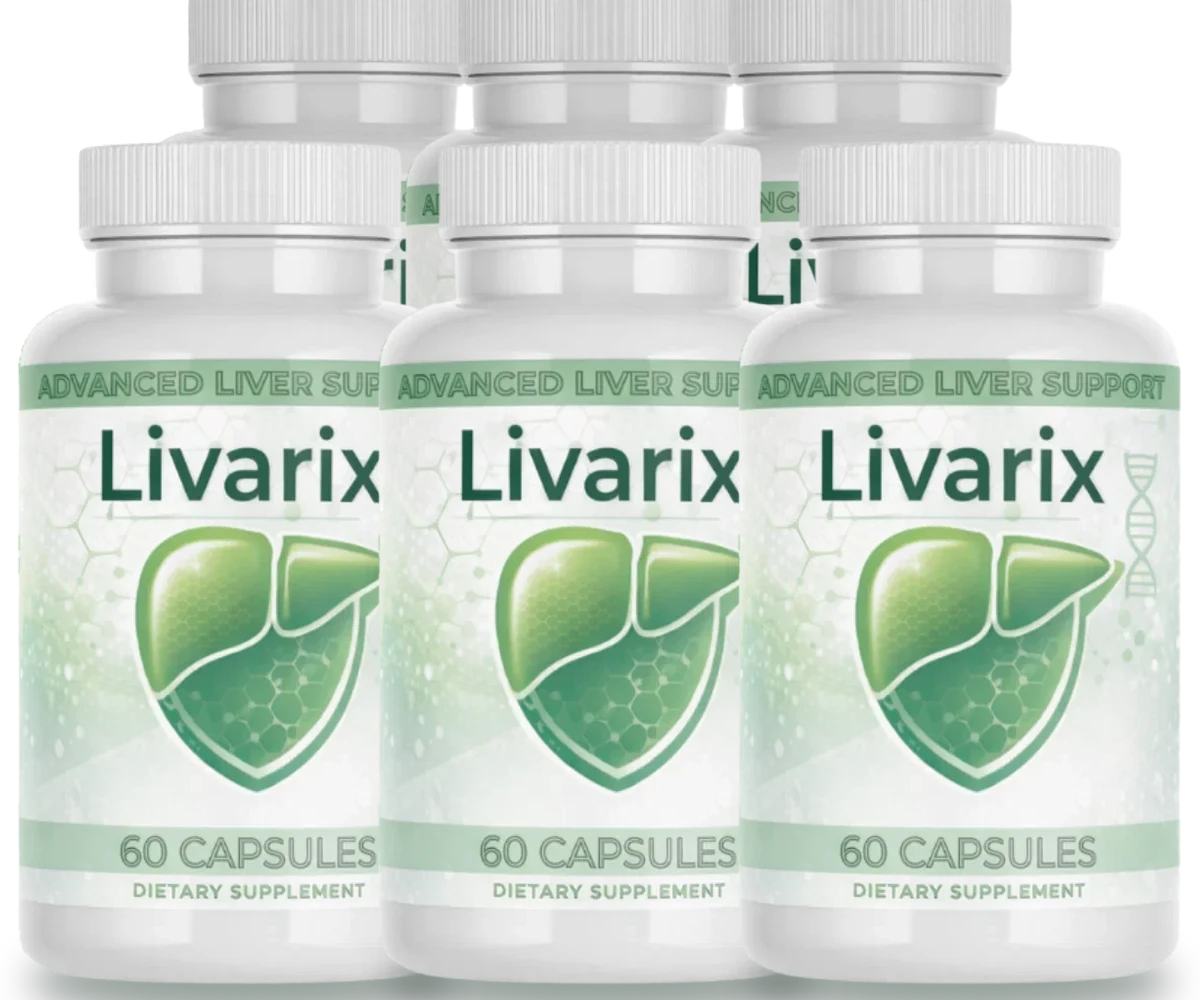
Related focus areas

Evidence & safety

Scientific References & Ingredient Research

Explore government health resources and published research related to the ingredients and topics discussed on this website.

NIH · National Center for Complementary and Integrative Health (NCCIH)

Turmeric

NIH fact sheet on what is and isn't known about turmeric and curcumin. Early research on liver measures exists, but the evidence isn't conclusive. It also covers safety, including liver concerns linked to highly bioavailable curcumin products.

TurmericUS Government Health ResourceView Official Research →
NIH · National Center for Complementary and Integrative Health (NCCIH)

Milk Thistle

NIH overview of milk thistle research. It concludes the evidence is not strong enough for firm conclusions and that liver study results have been mixed.

Milk ThistleUS Government Health ResourceView Official Research →
NIDDK · LiverTox (NCBI Bookshelf, National Library of Medicine)

Milk Thistle

Clinical reference on supplement-related liver injury. Milk thistle has not been linked to clinically apparent liver injury, while its benefit in liver disease remains unproven.

Milk ThistleGovernment Scientific PublicationView Official Research →
NIH · National Center for Complementary and Integrative Health (NCCIH)

Dandelion

NIH fact sheet noting that research on dandelion in people is limited. Dandelion in food amounts is considered likely safe, but less is known about larger amounts.

Dandelion (leaf)US Government Health ResourceView Official Research →
NIH · National Center for Complementary and Integrative Health (NCCIH)

Ginger

NIH summary of studies on ginger and its safety, including possible side effects such as abdominal discomfort and heartburn.

Ginger (root)US Government Health ResourceView Official Research →
PubMed · National Library of Medicine (NIH research database)

Pharmacological Studies of Artichoke Leaf Extract and Their Health Benefits

A 2015 review (Plant Foods for Human Nutrition) of artichoke leaf extract research, including antioxidant and bile-related findings. Much of the evidence comes from lab and animal studies, and human evidence is still limited.

Artichoke ExtractPeer-Reviewed ResearchView Official Research →
PubMed · National Library of Medicine (NIH research database)

The benefits and risks of beetroot juice consumption: a systematic review

A 2021 systematic review (Critical Reviews in Food Science and Nutrition) of nitrate-rich beetroot juice. It studies juice, not the beet root powder in Livarix.

Beet RootPeer-Reviewed ResearchView Official Research →
PubMed · National Library of Medicine (NIH research database)

Glutathione dysregulation and the etiology and progression of human diseases

A 2009 NIH-supported review (Biological Chemistry) of glutathione's role in cellular antioxidant defense. It is background science on glutathione; it does not test cysteine supplements.

L-CysteinePeer-Reviewed ResearchView Official Research →
NIDDK · LiverTox (NCBI Bookshelf, National Library of Medicine)

Herbal and Dietary Supplements

Overview of how herbal and dietary supplements can, in some cases, be linked to liver injury. A useful safety read before starting any liver-focused product.

All botanical ingredientsGovernment Scientific PublicationView Official Research →
U.S. Food and Drug Administration (FDA)

Questions and Answers on Dietary Supplements

Explains how supplements are regulated in the US, including that the FDA does not approve dietary supplements before they are sold.

Supplement regulationFDA GuidanceView Official Research →
NIH · Office of Dietary Supplements (ODS)

Dietary Supplements: What You Need to Know

NIH consumer fact sheet on using supplements safely, talking with your health care provider and reporting problems.

General supplement safetyUS Government Health ResourceView Official Research →
Please note: These references are provided for educational purposes only. They do not represent an endorsement or approval of this product by any government agency. Research on individual ingredients does not necessarily establish the effectiveness of the finished product.