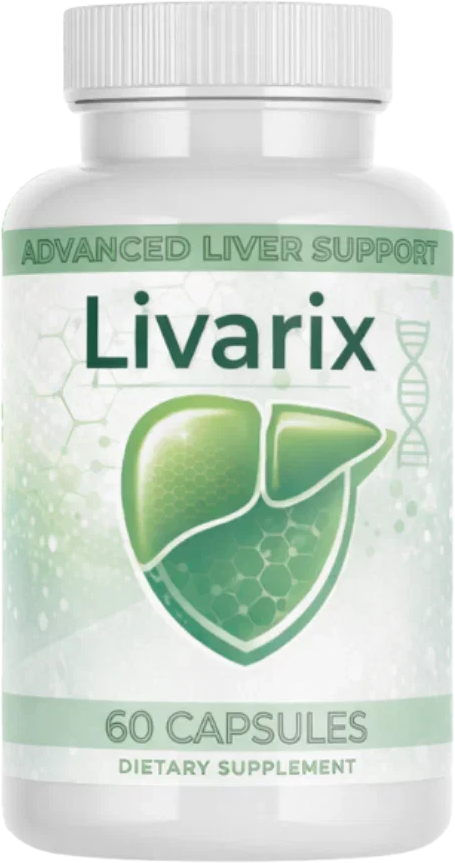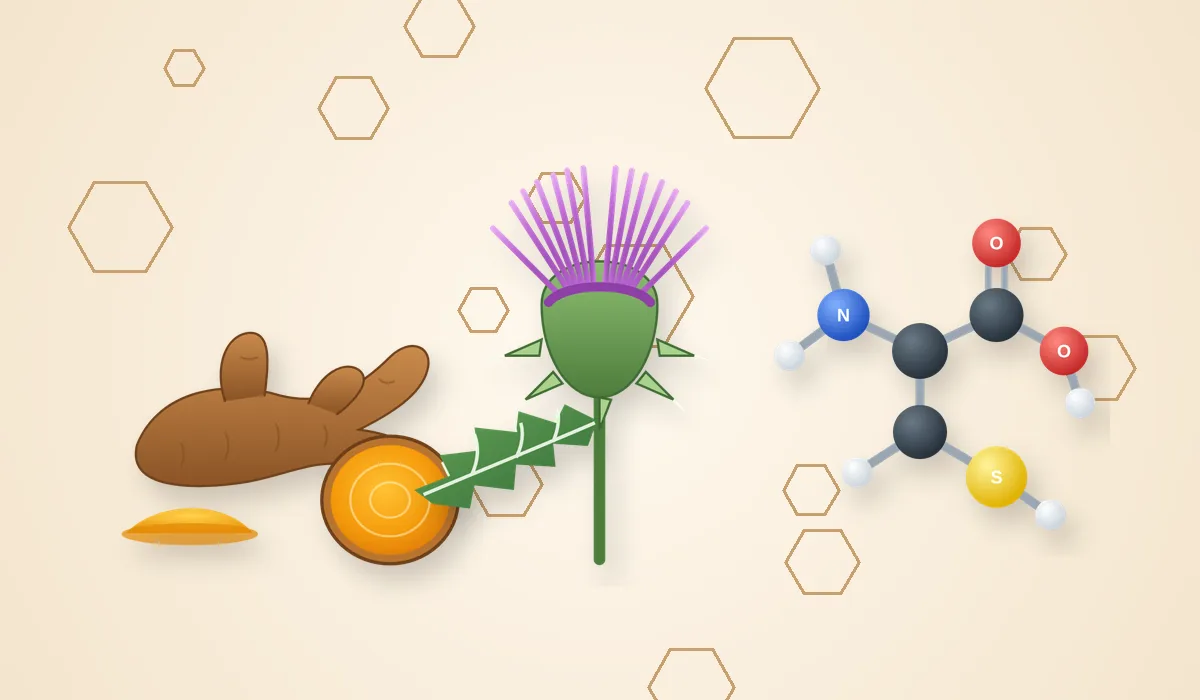
Supplement marketing often blurs the line between "studied" and "proven." In this guide we go through the eight ingredients the seller lists for Livarix and summarize what government health resources and published reviews say. We're not trying to hype it or knock it. Links open the original sources.
Turmeric root (300 mg)
Turmeric is the largest ingredient in the formula. According to NIH's NCCIH turmeric fact sheet, early research suggests turmeric or curcumin might improve some measures in people with fatty liver disease, but there isn't enough evidence for firm conclusions. NCCIH also cautions that highly bioavailable curcumin formulations have been linked to liver harm in some people. Livarix lists conventional turmeric root powder.
Milk thistle (50 mg)
Milk thistle is probably the best-known liver herb. NCCIH's milk thistle page says the evidence isn't strong enough for firm conclusions and that liver study results have been mixed. The NIDDK's LiverTox entry notes that milk thistle hasn't been linked to clinically apparent liver injury.
Artichoke extract (50 mg, 5% cynarin)
A 2015 review of artichoke leaf extract summarizes research on antioxidant and bile-related effects. Much of that work comes from laboratory and animal studies, so more human research is needed.
Dandelion leaf (100 mg)
Dandelion has a long history in traditional herbal practice. NCCIH's dandelion fact sheet notes that research in people is limited. Dandelion in food amounts is considered likely safe, but less is known about larger amounts.
Ginger root (50 mg)
Ginger is well studied for some uses. NCCIH's ginger page covers that research and notes possible mild side effects, such as heartburn or abdominal discomfort.
Beet root (200 mg)
Beets are naturally rich in nitrate and betalain pigments. Much of the published research, such as this 2021 systematic review, studies beetroot juice, which is a different form and amount from the powder in a capsule.
Alfalfa leaf (20 mg)
Alfalfa is a nutritive leafy legume. We didn't find a current US government fact sheet that evaluates alfalfa for liver support, so we make no specific claims about it.
L-cysteine HCl (10 mg)
Cysteine is one of the three amino acids the body uses to make glutathione, a key cellular antioxidant described in this NIH-supported review. That's background biology. It doesn't show that a 10 mg supplement changes glutathione levels.
The bottom line
Livarix combines ingredients with long traditional use and varying levels of research. None of these studies tested Livarix itself, and research on single ingredients can't predict how a combination will work for you. If you decide to try it, the seller's 60-day money-back guarantee lowers the risk. Talk to your doctor first if you have a health condition or take medication.
This article is for general education and isn't medical advice. Talk with a qualified health professional about your individual needs.